Cracking the Code: Your Guide to Expat Business Accounting in the UK

Hey there, expat entrepreneur! So you’re setting up or running a business in the UK? That’s awesome! The UK offers a fantastic environment for businesses, but let’s be real, navigating the tax and accounting landscape as an expat can feel a bit like trying to solve a Rubik’s Cube blindfolded. But don’t sweat it, we’re here to break down the essentials and help you understand how to keep your business finances shipshape. It’s all about getting those ducks in a row from day one!

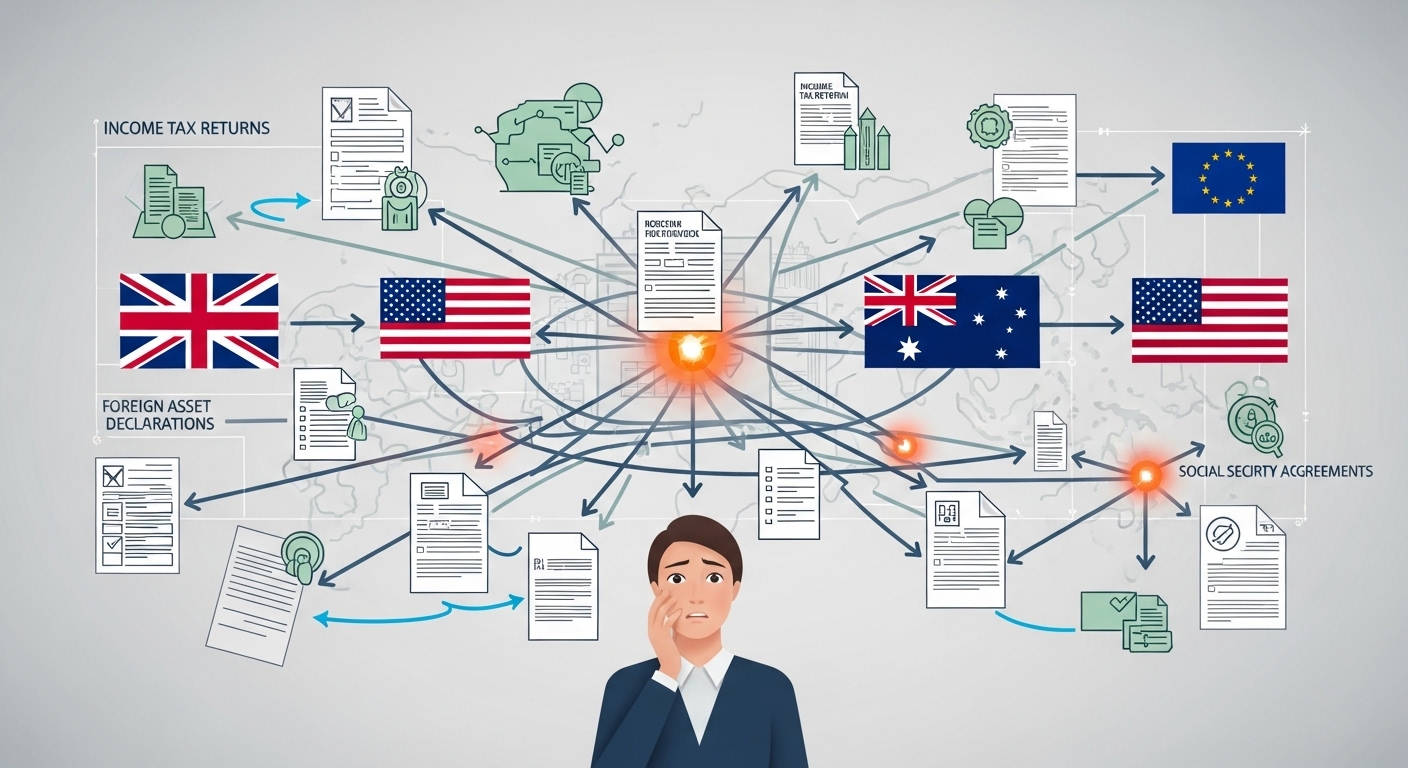
## The Nitty-Gritty: Key Accounting Considerations for Expat EntrepreneursWhen you’re running a business in a new country, there are a few extra layers of complexity compared to locals. Let’s dive into what you need to keep in mind.### Understanding Your Tax Residency StatusFirst things first, you need to figure out your tax residency status. This isn’t always straightforward for expats and can depend on factors like how much time you spend in the UK, where your home is, and where your primary work is. Are you: UK Resident and Domiciled? This generally means you pay UK tax on all your worldwide income and gains. UK Resident but Non-Domiciled? This is where it gets interesting! You might be able to claim the ‘remittance basis’, meaning you only pay UK tax on foreign income and gains that you bring into (remit to) the UK. However, this can be complex and isn’t always the best option. Getting this right is crucial, as it impacts everything else.### Business Structure & RegistrationBefore you even think about accounting, you need to set up your business legally. Will you operate as a: Sole Trader? Simplest, but you are personally liable for all business debts. Limited Company? More complex to set up and run, but offers limited liability and can be more tax-efficient for higher profits. You’ll need to register with Companies House and HMRC, regardless of the structure.### VAT – Do You Need to Register?If your business’s taxable turnover goes over the current VAT threshold (check HMRC for the latest figures!), you’ll need to register for VAT. This means charging VAT on your sales and reclaiming VAT on your purchases. It adds an extra layer of administration, but it’s non-negotiable if you hit the threshold.### Self-Assessment Tax Returns & Corporation TaxIf you’re a sole trader or a partner in a partnership, you’ll need to complete a Self-Assessment tax return each year. This covers your personal income, including your business profits. If you’ve set up a limited company, the company pays Corporation Tax on its profits, and you, as a director, will pay personal income tax on any salary or dividends you take. ### Navigating International Tax LawsThis is often the trickiest part for expats! You might be generating income in the UK but also have income or assets in other countries. The UK has Double Taxation Treaties with many countries, which aim to prevent you from paying tax twice on the same income. Understanding these treaties and reporting overseas income correctly is essential to avoid nasty surprises.






## Why a Specialist Expat Accountant is Your Best FriendHonestly, trying to manage all these intricacies on your own can be a huge headache, eat into your valuable business time, and potentially lead to costly mistakes. An accountant specialising in expat businesses in the UK can: Ensure Compliance: Keep you on the right side of HMRC and Companies House rules. Optimise Your Taxes: Help you legally minimise your tax burden, considering both UK and international regulations. Save Time: Take the burden of bookkeeping, tax returns, and compliance off your shoulders. Provide Peace of Mind: Give you confidence that your finances are in expert hands.## Top Tips for Managing Your Expat Business Finances Keep Meticulous Records: Seriously, this is gold. Keep every receipt, invoice, bank statement – digital or physical. Good record-keeping makes everything easier. Understand Key Deadlines: Missing a deadline for tax returns or company filings can lead to penalties. Your accountant will help you stay on track, but it’s good to be aware. * Don’t Delay Getting Professional Advice: The sooner you get an expert involved, the better. They can help you set up your business structure correctly from the start, which can save you money and hassle down the line.

## Wrapping It Up: Smooth Sailing AheadRunning a business as an expat in the UK is an exciting adventure, and getting your accounting right is a crucial part of its success. While it might seem like a maze of rules and regulations, with the right knowledge and a great accountant by your side, you can confidently navigate the financial landscape and focus on what you do best: growing your awesome business! Good luck!